Mowing Blog
Discover the best time to start mowing your Indiana lawn in 2026. Get expert tips on mowing height, scheduling, and avoiding common spring mistakes.
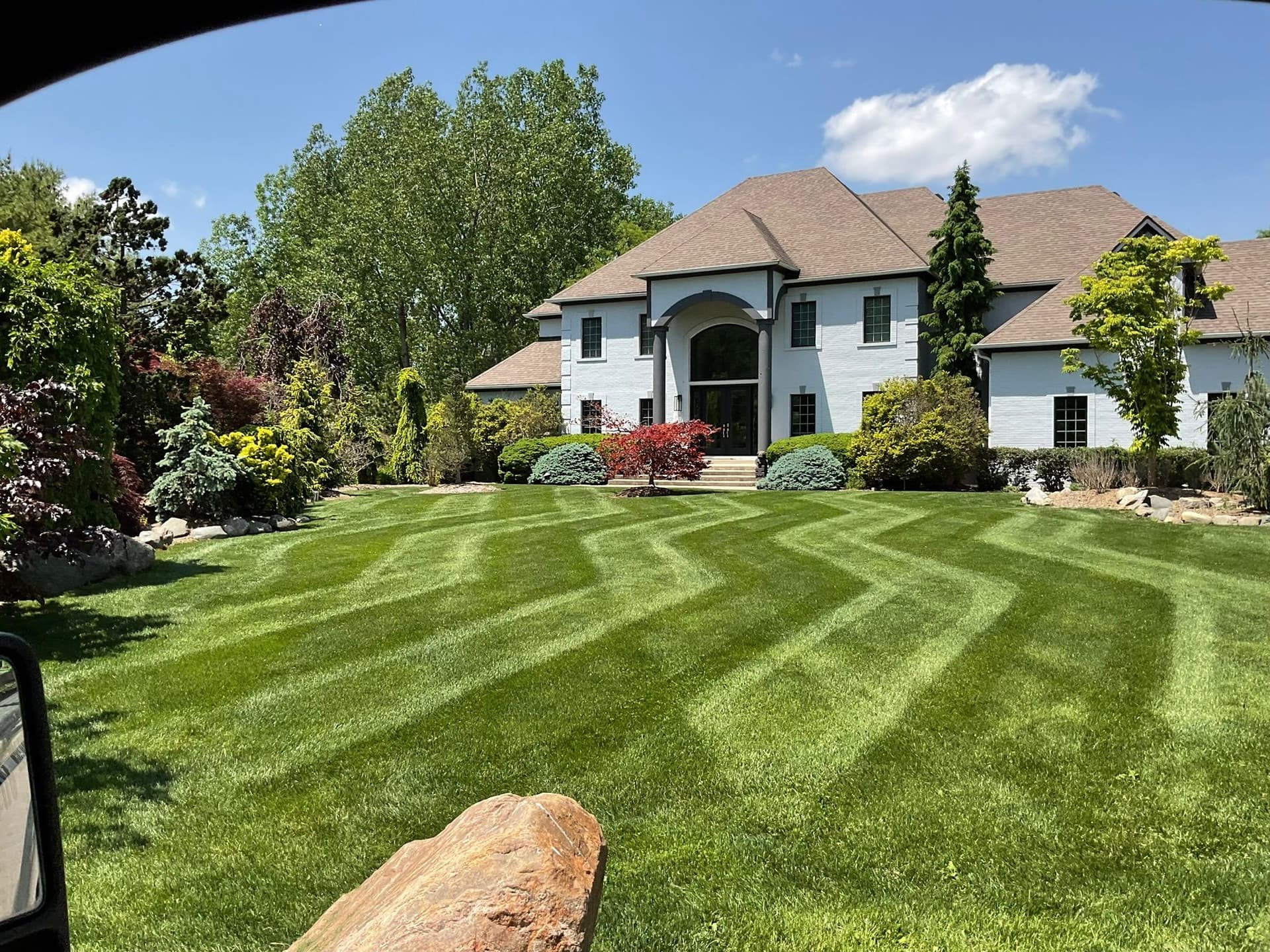
When to Start Mowing Your Lawn in Central Indiana (2026 Guide)
There is a common question all homeowners ask every spring: “When should I start mowing my lawn?”. For reference, the timing for mowing the lawn in Indiana can affect the health of the grass in the long term. The timing, height, and frequency of mowing have a significant impact on the overall look and effectiveness of lawn care during the season.
Soil Temperature vs Calendar Date
Many homeowners think that mowing will start on a specific date. But soil temperature is the real control of grass growth. The soil temperature control also applies to the cool-season grasses like Kentucky bluegrass, fescue, and rye, which begin growing after the soil temperature reaches about 50 to 55°F. In Central Indiana this typically occurs during late March to mid-April. Doing so will stress the turf, rip grass blades, compact the soil if wet, and further delay healthy spring growth. First, it depends on grass growth; if the grass blades begin to get too long and there are obvious signs of growth, then mowing should commence.
First Mow Height and Technique
The first mowing of the season is crucial because it influences the overall health of the grass throughout the year. For most Indiana lawns, the mower height should be between 3.5 and 4 inches, and the mower should never remove more than one-third of the grass blade. Cutting too short weakens the roots, encourages weeds and increases stress during drought in summer. Blades need to be sharp at all times, never mow the lawn when the soil is soggy, and mow in straight lines in a uniform direction.
Common Spring Mowing Mistakes
Spring home mistakes (preventable ones) The soil gets compacted and the grass that has not yet come out of its dormancy stage is damaged when the mowing is done too early. Scalping weakens the lawn and attracts weeds. Dull mower blades tear grass instead of giving it a clean cut, thus inviting disease. Also, an erratic mowing routine means grass can grow too tall between cuts, causing the mower to cut it too low at once. Not trimming and edging will ensure that, even after mowing, the lawn looks unfinished.
Benefits of a Weekly Mowing Schedule
A constant weekly mowing schedule will work best for the situation of Indiana lawns. Regular mowing results in stronger roots, thicker grass, and fewer weeds. Such mowed grass retains moisture better during the summer heat and creates a more pleasing sight. Weekly mowing also maintains clean and uniform edges, saving homeowners time and effort. Professional mowing services usually include trimming, edging, and blowing hard surfaces for a finished look.
DIY vs Professional Mowing
Many homeowners underestimate the real cost of mowing themselves – equipment, fuel, maintenance, blade sharpening, and the time required. Professional mowing has consistent schedules, commercial equipment, proper mowing height, and a clean and polished look. Hiring professionals provides better results with less stress and time consumed for many homeowners.
When to Schedule Mowing in Central Indiana
Most professional mowing schedules get booked before the grass growth fully sets in. Thus, scheduling guarantees first choice, ensuring weekly services throughout the season for optimal lawn health. The best results for the long term come from combining mowing with fertilization and weed control.
Holmes Lawn & Landscape Professional Mowing
Holmes Lawn & Landscape provides expert weekly lawn mowing services throughout Central Indiana, including Noblesville, Fishers, Carmel, Westfield, and the surrounding areas of Hamilton County. Services include proper mowing height, regular mowing schedule, trimming, edging, and a clean finishing touch every service visit. Scheduling them early ensures your lawn looks thick, healthy, and professionally maintained throughout the season.